
I research the supply chain surrounding HBM, including DRAM wafers, memory dies, advanced packaging, substrates, testing, equipment, and the manufacturing services required to produce complete high-bandwidth memory solutions. My work is focused on understanding how capacity and constraints at different stages of the supply chain can influence final HBM availability. I write for this website because discussions about HBM often concentrate on memory manufacturers while overlooking the many other components and processes required to deliver the final product. HBM is a highly integrated technology that depends on memory production, stacking, packaging, testing, materials, and specialized equipment. My research follows the complete HBM production chain. I examine DRAM wafer capacity, die production, stacking and bonding processes, packaging throughput, substrate availability, testing capacity, and equipment requirements. I also monitor how suppliers respond when AI infrastructure investment increases demand for HBM. I am particularly interested in identifying potential bottlenecks. Expanding one part of the supply chain does not necessarily increase final HBM output if another stage remains capacity constrained. Packaging, testing, substrates, equipment, and materials can all influence the speed at which new memory capacity becomes commercially available. I also follow the investment implications of HBM supply-chain development. My objective is to help readers understand where capacity is being added, where constraints may exist, and how the expansion of AI computing is affecting different parts of the semiconductor manufacturing ecosystem.
HBM supply-chain analyst covering DRAM wafers, stacking, advanced packaging, substrates, testing, equipment, and capacity bottlenecks across the memory ecosystem.
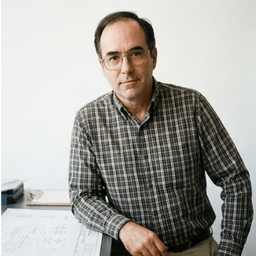
Thomas Walker is an HBM supply-chain analyst who studies the complete manufacturing ecosystem behind high-bandwidth memory. His work on this website extends beyond memory production to include packaging, substrates, testing, equipment, materials, and other critical manufacturing stages.
Thomas examines how DRAM wafers and memory dies move through stacking, bonding, packaging, testing, and qualification before becoming part of high-performance computing systems. His research focuses on the capacity and constraints that can emerge at each stage.
A central theme of Thomas's coverage is supply-chain bottlenecks. Increasing DRAM capacity does not automatically translate into equivalent growth in finished HBM output when packaging, testing, substrates, equipment, or other manufacturing resources remain constrained.
He also follows the impact of AI infrastructure investment on the HBM supply chain. Growing demand from AI accelerators can influence production decisions across memory manufacturers, packaging providers, equipment suppliers, materials companies, and testing services.
Through his contributions, Thomas provides readers with a complete supply-chain perspective on HBM and explains how different manufacturing stages interact to determine the availability and scalability of high-bandwidth memory.